Hey there! As a supplier of coated steel pipes, I often get asked about the lifespan of these awesome products. So, I thought I’d sit down and have a chat with you all about it. Coated Steel Pipe

Let’s start with the basics. Coated steel pipes are steel pipes that have been given a special protective coating. This coating can be made from various materials, such as epoxy, polyethylene, or zinc. The main purpose of the coating is to protect the steel from corrosion, which can significantly extend the pipe’s lifespan.
One of the key factors that affect the lifespan of coated steel pipes is the quality of the coating. A high – quality coating will adhere well to the steel surface and provide a strong barrier against moisture, chemicals, and other corrosive agents. For example, an epoxy coating is known for its excellent adhesion and chemical resistance. It can form a tight bond with the steel, preventing water and oxygen from reaching the metal and causing rust. On the other hand, if the coating is of poor quality or not applied correctly, it may start to peel or crack over time, leaving the steel vulnerable to corrosion.
The environment where the coated steel pipe is installed also plays a huge role in determining its lifespan. In a mild environment, such as indoors or in an area with low humidity and no exposure to harsh chemicals, the coated steel pipe can last for a really long time. I’ve seen some cases where pipes installed in a controlled indoor environment have lasted for over 50 years.
However, in a harsh environment, the story is a bit different. For instance, if the pipes are used in a marine environment, where they are constantly exposed to saltwater, the coating has to work much harder. Saltwater is extremely corrosive, and it can quickly break down the coating if it’s not up to the task. In such cases, a coating specifically designed for marine use, like a thick – layer polyethylene coating, may be required. Even with a good coating, the lifespan of the pipe in a marine environment might be reduced to around 20 – 30 years.
Another factor is the type of fluid that the pipe is carrying. If the pipe is used to transport clean water, it generally puts less stress on the coating compared to pipes that carry acidic or alkaline fluids. Chemicals in the fluid can react with the coating and gradually wear it down. For industrial applications where the pipe may be transporting aggressive chemicals, special high – performance coatings are often used. These coatings are engineered to withstand the chemical attack, but even they have their limits. Depending on the concentration and type of chemicals, the lifespan of the pipe could range from 10 to 20 years.
The installation process also matters. If the pipes are installed incorrectly, it can lead to damage to the coating. For example, if the pipes are bent too sharply during installation, it can cause the coating to crack. Also, improper handling during transportation and installation, like dropping the pipes or scratching the coating, can expose the steel underneath to corrosion. In contrast, a proper installation with careful handling can ensure that the coating remains intact and the pipe’s lifespan is maximized.
Maintenance is another aspect that can’t be ignored. Regular inspections can help detect any signs of coating damage early on. If a small area of the coating is damaged, it can be repaired before the corrosion spreads. For example, if there’s a scratch on the coating, it can be touched up with the appropriate coating material. Neglecting maintenance can lead to the rapid deterioration of the pipe. Without proper upkeep, a pipe that could have lasted 30 years might only last 10.
Now, let’s talk about some general estimates. In a typical municipal water supply system, where the pipes are installed underground and used to transport treated water, well – coated steel pipes can last between 40 and 60 years. This is because the treated water is relatively clean and the coating is protected from direct sunlight and extreme weather conditions underground.
In an industrial setting, where the working conditions are more demanding, the lifespan can vary widely. For pipelines carrying non – corrosive industrial fluids like compressed air, coated steel pipes can last 30 – 40 years. But for pipelines in the chemical industry, carrying strong acids or alkalis, even with the best coatings, the lifespan might be in the range of 10 – 20 years.
So, as you can see, the lifespan of coated steel pipes is not set in stone. It depends on a variety of factors. But one thing’s for sure, when you choose high – quality coated steel pipes from a reliable supplier (like yours truly), you’re giving yourself the best chance of getting a long – lasting product.
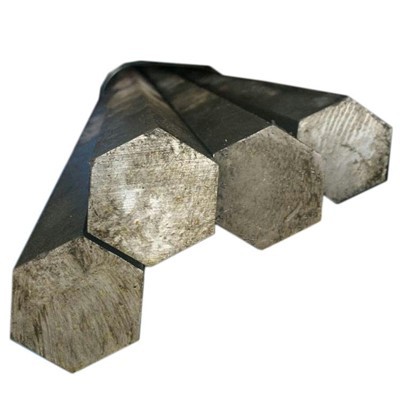
If you’re in the market for coated steel pipes, whether it’s for a small – scale project or a large – scale industrial application, I’m here to help. I’ve got a wide range of coated steel pipes with different coatings and specifications to meet your needs. Just drop me a message and we can start talking about your project. Let’s work together to find the perfect coated steel pipes that will serve you well for years to come.
Section Steel References
- Materials Science and Engineering: An Introduction by William D. Callister Jr. and David G. Rethwisch
- Corrosion Engineering and Science by Pierre R. Roberge
- Handbook of Layered Manufacturing in Coating Technology by George Wypych
Shanxi Midas Industrial Co., Ltd.
We’re known as one of the most professional coated steel pipe manufacturers and suppliers in China. With abundant experience, we warmly welcome you to buy cheap coated steel pipe made in China here from our factory. For price consultation, contact us.
Address: 28th, Huanqiu Jinrong Zhongxin, Xieyuan Road, Changfeng Business District, Taiyuan City, Shanxi Province, China
E-mail: midassteel@163.com
WebSite: https://www.midassteel.com/
