Hey everyone, let’s cut to the chase—if you’re here, you probably know how frustrating it is when pool rests start losing their shape after a few months of use. Maybe they’re bowing in the middle, curling at the edges, or just looking all lopsided like a sad beach towel left in the sun. As someone who’s been in the pool rest supply game for over 8 years, I’ve seen every shape mess imaginable, and today I’m spilling all the real, science-backed tips we pass to our wholesale clients and regular customers to keep pool rests holding their form, no fancy lab degree required. Pool Rest
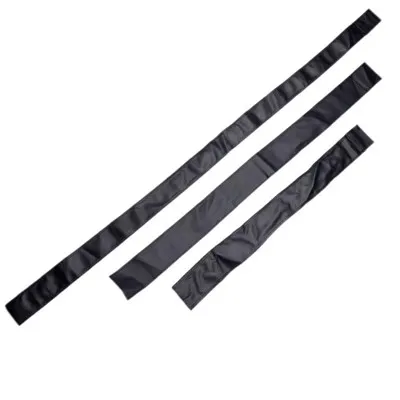
First off, let’s talk about why pool rests lose shape in the first place. Most of the stuff we make (and most brands out there) use a mix of high-density foam core and a vinyl or polyester outer layer—simple, right? But foam doesn’t like constant stress, and the outer layer isn’t indestructible. The biggest shape killers? Sitting in direct sun 24/7, leaving them soaked in pool water nonstop, cramming them into too small of a storage spot, and dragging them across rough concrete. I’ve had a client come to me last summer saying their new pool rest was already warped after two weeks—turns out they left it floating in the pool every single day, even when they weren’t using it. The foam core was absorbing so much chlorinated water that it started to break down on a molecular level, which makes it compress unevenly. That’s not a manufacturing flaw, that’s user error—oops.
Now, let’s get into the actual maintenance stuff, broken down by how often you’re using your pool rest, because let’s be real, some people use theirs every day (looking at you, pool party fanatics) and some only pull it out for weekend barbecues. If you’re a daily user, the first non-negotiable step is: don’t leave it floating in the pool when you’re done. I know, it’s tempting—you think “it’s just gonna be there when I get back!” but trust me, leaving it submerged nonstop is like leaving your favorite sneakers in a puddle overnight. The foam expands with water, and when you take it out to dry, it doesn’t shrink back evenly. For daily users, we tell them to hang their pool rest over a poolside railing or a sturdy pool skimmer pole to dry. Wait, not just any hanging—don’t drape it over a flimsy plastic chair, that’ll create weird creases in the middle. The best way is to fold it loosely in half (no sharp creases! That’s a big one) and hang it so air can circulate on both sides. That cuts down on mildew too, which is a bonus.
Next, cleaning—this is where people go wrong all the time. I’ve seen folks use harsh bleach or pressure washers on their pool rest, and that’s a fast track to shape loss. Bleach breaks down the vinyl outer layer, making it stretch out and sag, and pressure washers can punch tiny holes in the foam core, which leads to uneven compression. The right way to clean? Mix a little mild dish soap (like Dawn, not that heavy duty antibacterial stuff) with warm water, wipe it down with a soft microfiber cloth, and rinse with plain water. If there’s really tough grime—like sunscreen stains or pine sap—use a tiny bit of rubbing alcohol on a cloth, not full strength on the entire thing. And always air dry completely before storing it, even if you’re just putting it away for a couple hours. Dampness makes the foam soft, so when you fold it, it holds that shape forever.
For the people who only use their pool rest a few times a month—storage is your biggest enemy. When you’re putting it away for a week, or even the off-season, don’t stuff it in a tiny bin or under the porch steps all crumpled up. Sharp folds are the worst here. I always tell clients to loosely fold it (again, no pinching the edges tight) and store it in a large, breathable tote bag—avoid plastic, that traps moisture. If you don’t have a tote, lay it flat on a shelf or the floor, with a light blanket over it to keep dust off. Never stack heavy stuff on top, like pool chemicals or patio furniture— that’ll flatten the middle so bad, it’ll never pop back to shape. I once had a guy bring in a pool rest that was so flat from sitting under a stack of patio cushions, we had to heat treat the foam core to get it back—don’t make that mistake.
Now, let’s get into the science bit that makes this actually work, not just random tips. The foam we use (and what most quality pool rests use) is cross-linked polyethylene foam, right? It has tiny air bubbles that give it its firmness and shape. When you apply constant, uneven pressure (like leaving it floating or folding it sharply), those air bubbles get compressed permanently. If they get exposed to UV radiation from the sun, the cross-links in the foam break down, which makes the entire core soft and less able to hold its shape. That’s why direct sun exposure is such a big deal—even if you’re only using it during the day, leaving it out overnight in the sun is slowly killing its shape. We actually add a UV inhibitor to the outer layer of our pool rests, but that only goes so far—no additive can fix 12 hours of direct sun a day.
Wait, what about if your pool rest is already starting to lose shape? Can you fix it, or is it garbage? I get this question all the time, and the answer is usually yes, before it’s too far gone. If it’s just a little bow in the middle, take it out of the pool, clean it, lay it flat in the sun for a few hours— the heat will help the foam expand back a little. If it’s curled at the edges, gently stretch the edges out while it’s still damp, and weigh them down with a few clean books or patio stones for a day. Don’t yank it super hard, that’ll tear the outer layer. If it’s already got deep creases from bad folding, you can put it in a dryer on low heat for 10 minutes (no high heat, that’ll melt the vinyl) then lay it flat to cool. That works surprisingly well—I’ve fixed dozens of rest that way for regular customers.
Now, let’s talk about common myths I hear all the time, because people love giving bad pool rest advice. Myth #1: You have to use a special pool rest cleaner. No, mild dish soap works just as well, and is way cheaper. Myth #2: Inflatable pool rests are the same as foam ones. No way—inflatable ones lose shape when the air leaks out, or gets too hot and expands, so that’s a whole different game, we only make foam core ones for that exact reason. Myth #3: Leaving it in the pool won’t hurt it, that’s what it’s for. Wrong—pool water has chlorine, which breaks down the foam over time, even if it’s labeled “pool safe”. It’s meant to be used in the pool, not stored in it 24/7.
For our wholesale clients and big pool owners, we actually have a custom maintenance plan we put together, because they use their rests way more than regular folks. We tell them to rotate their pool rests every week—so instead of using the same two rests all summer, swap them out. That way, each one gets time to air out and regain its shape, instead of being under constant pressure. We also recommend giving them a deep clean every 3 months, and storing them in a climate-controlled area during the off-season, not just in the hot garage. That’s saved so many of our clients from having to replace their rests every year, which saves them tons of money.
Let’s be real, none of this is rocket science. It’s just about treating your pool rest like the important piece of backyard relaxation it is, not just a flimsy float. I’ve been in this business for almost a decade, and the number one complaint we get is “it lost shape too fast” — 9 times out of 10, it’s not a bad product, it’s not following basic maintenance steps. I once had a hotel client who was going through 50 pool rests a year, after we gave them our maintenance tips, they went down to 12. That’s the power of small, consistent steps.
Now, if you’re tired of replacing pool rests every year because they go flat, or you’re a business owner looking for durable, shape-retaining pool rests that hold up to regular use, we’re here to help. We’ve been making our pool rests with that cross-linked foam and UV-inhibited outer layer for years, and we stand behind them because we’ve seen them hold shape for 3+ years with proper care. Whether you’re a homeowner needing a few, or a commercial outfit needing bulk, our team can walk you through what works best for your space and use. Reach out to our team to chat, we’re always happy to answer questions, no sales pitch pressure.

At the end of the day, a pool rest that holds its shape means more time relaxing by the pool, less time chasing after lopsided floats or replacing broken ones. Follow these tips, and your pool rest will be your go-to for summer for years.
Big Tip Pool Cue References
- Pool & Hot Tub Alliance. (2022). Maintenance Guidelines for Foam-Based Pool Products. PHTA Industry Standards.
- Consumer Product Safety Commission. (2021). Chemical Degradation of Polyethylene Foam in Chlorinated Water. CPSC Technical Report Series.
- Outdoor Furniture Association. (2023. Storage Best Practices for Water-Amenity Products. OFA Maintenance Guidelines.
Taishan Kekelan Trading Co., Ltd.
We’re well-known as one of the leading pool rest manufacturers and suppliers in China, specialized in providing high quality customized service for global clients. We warmly welcome you to wholesale bulk durable pool rest for sale here from our factory.
Address: No. 7, Changtang Development Zone, Shuibu Town, Taishan City, Jiangmen City, Guangdong Province, China
E-mail: 2633348912@qq.com
WebSite: https://www.kklcue.com/
