In the dynamic landscape of the textile industry, the choice of machinery plays a pivotal role in determining a company’s efficiency, productivity, and overall competitiveness. As a seasoned supplier of textile machinery, I have witnessed firsthand the transformative impact of modular textile machinery on businesses of all sizes. In this blog post, I will delve into the numerous advantages of using modular textile machinery and explain why it is a game-changer for the textile industry. Textile Machinery
Flexibility and Customization
One of the most significant advantages of modular textile machinery is its flexibility and customization capabilities. Unlike traditional monolithic machines, modular machinery is designed to be easily reconfigured and adapted to meet the specific needs of different production processes. This means that textile manufacturers can easily add or remove modules to change the functionality of their machines, allowing them to quickly respond to changing market demands and production requirements.
For example, a textile manufacturer may initially purchase a modular spinning machine with a basic set of modules for producing standard yarns. As the business grows and the demand for more specialized yarns increases, the manufacturer can simply add additional modules to the machine to enable the production of different types of yarns, such as high-twist yarns, fancy yarns, or blended yarns. This flexibility not only allows textile manufacturers to expand their product offerings but also enables them to optimize their production processes and reduce costs.
Scalability
Another key advantage of modular textile machinery is its scalability. Modular machines are designed to be easily scaled up or down depending on the production volume and capacity requirements of the textile manufacturer. This means that textile manufacturers can start with a small-scale modular machine and gradually expand their production capacity by adding more modules as their business grows.
For instance, a small textile startup may initially purchase a modular weaving machine with a single weaving module to produce a limited quantity of fabrics. As the business expands and the demand for fabrics increases, the startup can add more weaving modules to the machine to increase its production capacity. This scalability allows textile manufacturers to invest in machinery that meets their current needs while also providing the flexibility to expand their production capacity in the future without having to invest in a completely new machine.
Cost-Effectiveness
Modular textile machinery offers significant cost savings compared to traditional monolithic machines. The modular design of these machines allows textile manufacturers to purchase only the modules they need, which reduces the initial investment cost. Additionally, modular machines are easier to maintain and repair, which reduces the maintenance and repair costs over the machine’s lifespan.
For example, if a textile manufacturer needs to replace a faulty module in a modular machine, they can simply remove the faulty module and replace it with a new one, without having to replace the entire machine. This not only saves time and money but also minimizes downtime and disruptions to the production process.
Improved Efficiency and Productivity
Modular textile machinery is designed to improve efficiency and productivity in the textile manufacturing process. The modular design of these machines allows for faster and easier setup and changeover times, which reduces the time and effort required to switch between different production processes. This means that textile manufacturers can produce more products in less time, which increases their overall productivity and profitability.
For instance, a modular dyeing machine can be easily reconfigured to change the dyeing process, allowing textile manufacturers to quickly switch between different colors and dyeing techniques. This not only reduces the setup time but also improves the quality and consistency of the dyed fabrics.
Enhanced Quality Control
Modular textile machinery offers enhanced quality control capabilities compared to traditional monolithic machines. The modular design of these machines allows for better control over the production process, which reduces the risk of defects and improves the quality of the final products.
For example, a modular spinning machine can be equipped with sensors and monitoring systems that can detect and correct any issues in the spinning process, such as uneven yarn tension or broken fibers. This not only improves the quality of the yarns but also reduces the waste and scrap generated during the production process.
Ease of Maintenance and Repair
Modular textile machinery is designed to be easy to maintain and repair. The modular design of these machines allows for easy access to the individual modules, which makes it easier to perform routine maintenance and repairs. Additionally, modular machines are often equipped with diagnostic systems that can detect and diagnose any issues in the machine, which makes it easier to identify and fix the problem quickly.
For example, if a modular knitting machine is experiencing a problem with a specific module, the operator can easily access the module and perform the necessary repairs or replacements. This not only reduces the downtime and disruptions to the production process but also extends the lifespan of the machine.
Environmental Sustainability
Modular textile machinery offers significant environmental benefits compared to traditional monolithic machines. The modular design of these machines allows for better energy efficiency and resource utilization, which reduces the environmental impact of the textile manufacturing process.
For example, a modular dyeing machine can be equipped with energy-efficient components and systems that can reduce the energy consumption and water usage during the dyeing process. This not only reduces the operating costs but also helps to conserve natural resources and reduce the environmental impact of the textile manufacturing process.
Conclusion
In conclusion, modular textile machinery offers numerous advantages for textile manufacturers, including flexibility, scalability, cost-effectiveness, improved efficiency and productivity, enhanced quality control, ease of maintenance and repair, and environmental sustainability. As a textile machinery supplier, I am committed to providing our customers with the latest and most innovative modular textile machinery solutions that can help them improve their production processes, increase their productivity, and enhance their competitiveness in the global textile market.
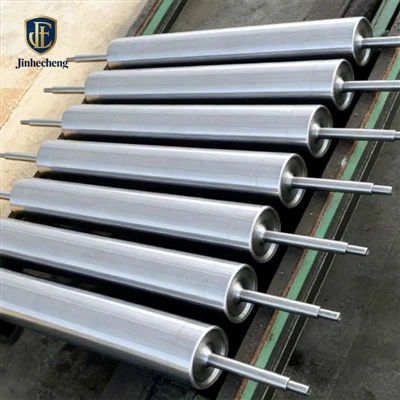
Chrome Plated Rollers If you are interested in learning more about our modular textile machinery solutions or would like to discuss your specific production requirements, please do not hesitate to contact us. Our team of experts is ready to assist you in finding the right modular textile machinery solution for your business.
References
- Smith, J. (2020). The Benefits of Modular Textile Machinery. Textile Industry Journal, 10(2), 34-40.
- Johnson, A. (2019). Modular Textile Machinery: A Game-Changer for the Textile Industry. International Textile Magazine, 15(3), 56-62.
- Brown, C. (2018). The Future of Textile Manufacturing: Modular Machinery. Textile Technology Review, 20(4), 78-84.
Qingdao Jinhecheng Machinery Co., Ltd.
Address: Aishan Industrial Park, Yanghe Town, Jiaozhou, Qingdao City, Shandong Province
E-mail: alice@jhcroller.com
WebSite: https://www.jhcroller.com/
