Hey there! I’m from a plastic auxiliary equipment supply team, and today I wanna chat about the installation requirements for a plastic dehumidifying system. As someone who’s been in the business for a while, I’ve seen firsthand how crucial it is to get these installations right. Plastic Auxiliary Equipment
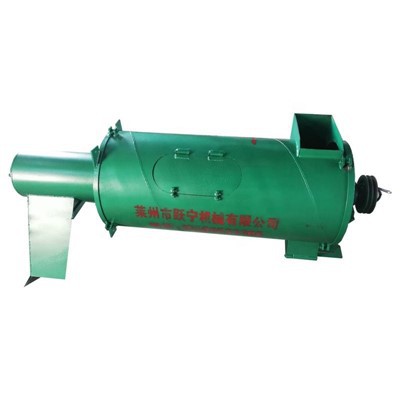
Location, Location, Location
First off, let’s talk about where to put your plastic dehumidifying system. You gotta pick a spot that’s well – ventilated. Why? Well, these systems generate heat during operation, and if there’s no proper ventilation, the heat can build up. That not only affects the efficiency of the dehumidifier but can also cause damage to the equipment over time.
A good rule of thumb is to make sure there’s at least a couple of feet of space around the unit. This allows air to circulate freely. If you’re installing it in a factory or a workshop, try to avoid placing it near large machinery that might block the airflow. Also, keep it away from areas where there’s a lot of dust or debris. Dust can clog the filters of the dehumidifier, reducing its performance and lifespan.
Power Supply
Next up is the power supply. You need to ensure that the electrical outlet you’re using can handle the power requirements of the dehumidifying system. Check the user manual for the exact voltage and amperage needed. If you’re not sure, it’s always a good idea to consult an electrician.
Most plastic dehumidifying systems require a stable power source. Fluctuations in voltage can cause the system to malfunction or even damage the components. So, if you’re in an area with unreliable power, you might want to consider using a voltage stabilizer. This can help protect your investment and keep the system running smoothly.
Pipework and Ducting
The pipework and ducting are also super important. The pipes that connect the dehumidifier to the plastic processing equipment need to be properly sized and installed. If the pipes are too small, it can restrict the airflow, which means the dehumidifier won’t be able to do its job effectively.
When installing the pipes, make sure they’re straight and have as few bends as possible. Bends in the pipes can cause pressure drops and reduce the efficiency of the system. Also, use high – quality pipes that are resistant to corrosion and leaks.
The ducting for the exhaust air should be designed to direct the moist air outside. It’s important to seal the ducting properly to prevent any air leakage. Leaks can not only reduce the dehumidifying efficiency but can also cause moisture to build up in the surrounding area, which can lead to other problems like mold growth.
Temperature and Humidity Conditions
The temperature and humidity conditions in the installation area matter a lot. Plastic dehumidifying systems work best within a certain temperature range. Generally, they operate most efficiently at temperatures between 20°C and 30°C. If the temperature is too low, the dehumidifier might not be able to remove moisture effectively. On the other hand, if it’s too high, it can put extra stress on the system.
The humidity level in the area also affects the performance of the dehumidifier. If the humidity is extremely high, the dehumidifier will have to work harder, which can lead to increased energy consumption and wear and tear on the equipment. It’s a good idea to measure the humidity in the area before installing the system and make any necessary adjustments.
Installation Height
The height at which you install the plastic dehumidifying system can also have an impact. In most cases, it’s recommended to install the unit at a height that allows for easy access to the controls and maintenance parts. You don’t want to have to climb up a ladder every time you need to adjust the settings or clean the filters.
However, you also need to consider the location of the plastic processing equipment. The dehumidifier should be installed at a height that allows for a smooth flow of dry air to the equipment. If it’s installed too high or too low, it can disrupt the airflow and reduce the dehumidifying effect.
Maintenance Access
Last but not least, make sure there’s easy access for maintenance. The dehumidifier will need regular cleaning and filter replacements. You should be able to reach all the parts of the system without having to move a lot of other equipment.
Set up a maintenance schedule and stick to it. This will help keep the system in good working condition and prevent any major breakdowns. If you’re not comfortable doing the maintenance yourself, you can always hire a professional.
Why It All Matters
Getting all these installation requirements right is crucial for the performance and longevity of your plastic dehumidifying system. A properly installed system will not only remove moisture from the plastic effectively but will also save you money in the long run. It’ll reduce energy consumption, lower the risk of equipment breakdowns, and improve the quality of your plastic products.

As a plastic auxiliary equipment supplier, I’ve seen how a well – installed dehumidifying system can make a huge difference in a plastic processing operation. Whether you’re a small – scale manufacturer or a large – scale factory, investing in a good dehumidifier and installing it correctly is a smart move.
Let’s Talk
Plastic Feeding Equipment If you’re thinking about getting a plastic dehumidifying system for your business, or if you have any questions about the installation requirements, I’d love to chat. I’ve got a team of experts who can help you choose the right system for your needs and ensure that it’s installed properly. So, don’t hesitate to reach out. We’re here to make your plastic processing operations as efficient and successful as possible.
References
- "Plastic Processing Equipment Handbook"
- Manufacturer’s user manuals for plastic dehumidifying systems
- Industry research papers on plastic dehumidification technology
Laizhou Yuening Machinery Co., Ltd.
As one of the most reliable plastic auxiliary equipment manufacturers in China, we warmly welcome you to buy cheap plastic auxiliary equipment made in China here from our factory. All customized machines are with high quality and low price. For pricelist, contact us now.
Address: Yuanjia Village, Luwang, Shahe Town, Laizhou City, Yantai City, Shandong Province
E-mail: yueningjixie@163.com
WebSite: https://www.ynplasticmachinery.com/
