Hey there, folks! As a supplier of carbon steel flanges, I get asked a lot about whether forged or cast carbon steel flanges are better. It’s a question that doesn’t have a one – size – fits – all answer, and today, I’m gonna break it down for you. Carbon Steel Flange

Let’s start by understanding what forged and cast carbon steel flanges are. Forged flanges are made by shaping heated metal under high pressure. This process involves hammering or pressing the metal into the desired shape. On the other hand, cast flanges are created by pouring molten metal into a mold. Once the metal cools and solidifies, it takes the shape of the mold.
Strength and Durability
One of the main factors to consider when choosing between forged and cast carbon steel flanges is strength and durability. Forged flanges are generally stronger. In the forging process, the grain structure of the metal is aligned, which gives it better mechanical properties. This alignment makes the forged flanges more resistant to cracking and stress. They can handle higher pressure and temperature conditions without failure.
For example, in high – pressure pipeline systems like those in oil refineries or power plants, forged flanges are often the go – to choice. They can withstand the intense pressure and harsh environments that these industries present. If you’re operating in a situation where safety and reliability are a must, the strength of forged flanges gives you a peace of mind.
Cast flanges, while still strong, have a more random grain structure. This can lead to some weak points in the material. Under extreme stress, there’s a higher risk of cracks forming in cast flanges. However, for applications where the pressure and temperature are relatively low, cast flanges can work just fine. They are commonly used in plumbing systems or some light – industrial applications.
Cost
Cost is always a major consideration in any purchasing decision. Cast carbon steel flanges are usually cheaper to produce. The casting process is less complex and requires less energy compared to forging. You don’t need to heat the metal to extremely high temperatures and apply high – pressure forces. This means that the raw materials and production costs are lower, which is then reflected in the price of the final product.
If you’re on a tight budget and your application doesn’t require the high – end performance of forged flanges, cast flanges can be a great option. You can get the job done without breaking the bank.
Forged flanges, on the other hand, are more expensive. The forging process is labor – intensive and requires specialized equipment. The cost of heating the metal and applying the necessary pressure adds up. But remember, you’re paying for the superior strength and durability that forged flanges offer. In some cases, the long – term savings from using forged flanges can outweigh the initial higher cost. For instance, if you use forged flanges in a critical pipeline system, you’re less likely to face costly repairs or replacements down the line.
Machinability
Machinability is another aspect to think about. Cast carbon steel flanges are generally easier to machine. The casting process can produce parts with a relatively smooth surface finish, and the metal is more uniform in composition. This makes it easier to drill, cut, and shape the flanges to meet specific requirements. If you need to make custom modifications to the flanges, cast flanges can be a more convenient choice.
Forged flanges, due to their dense and aligned grain structure, can be a bit more challenging to machine. You might need more powerful tools and more time to make the necessary cuts and adjustments. However, with the right equipment and expertise, it’s definitely doable. And in many industries, the benefits of forged flanges in terms of strength often outweigh the slightly more difficult machining process.
Precision and Finish
When it comes to precision, cast flanges can offer a high level of accuracy right out of the mold. The casting process allows for the creation of complex shapes with tight tolerances. This is great if you need flanges with specific dimensions and intricate designs. The surface finish of cast flanges can also be quite good, especially if the mold is well – made.
Forged flanges, while they can be machined to high precision, may not have the same level of initial accuracy as cast flanges. The forging process is more about shaping the metal into a general form, and then machining is often required to achieve the final dimensions. But once machined, forged flanges can have excellent precision and a smooth finish.
Corrosion Resistance
Both forged and cast carbon steel flanges have some level of corrosion resistance. However, the forging process can sometimes enhance the corrosion – resistant properties of the metal. The alignment of the grain structure can make it more difficult for corrosive agents to penetrate the material.
Cast flanges can also be made corrosion – resistant by using appropriate alloys or applying protective coatings. But in environments where corrosion is a major concern, such as in marine applications, forged flanges might have a slight edge.
Application – Specific Considerations
Let’s talk about some real – world applications. In the chemical industry, where the flanges need to withstand corrosive chemicals and high pressures, forged flanges are often preferred. Their strength and better corrosion resistance make them a reliable choice for ensuring the safety and efficiency of chemical processing plants.
In the construction industry, for building plumbing systems or low – pressure ventilation systems, cast flanges are commonly used. They offer a cost – effective solution that meets the basic requirements of these applications.
In the transportation industry, especially for pipelines that transport oil and gas over long distances, forged flanges are the norm. The high – pressure conditions and the need for long – term reliability make forged flanges the obvious choice.
Making the Right Choice
So, which is better, forged or cast carbon steel flanges? Well, it depends on your specific needs. If you’re working on a project that requires high strength, can withstand high pressure and temperature, and you have a budget that can accommodate the higher cost, forged flanges are the way to go. They offer superior performance and long – term reliability.
On the other hand, if your project has lower pressure and temperature requirements, and cost is a major factor, cast flanges can be a great option. They provide a cost – effective solution without sacrificing too much in terms of performance.
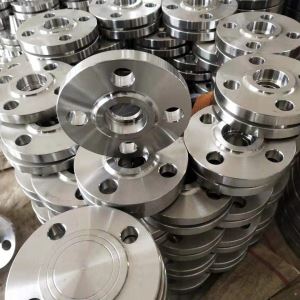
As a supplier of carbon steel flanges, I’m here to help you make the right decision. Whether you’re a small business owner looking for flanges for a plumbing project or a large industrial company in need of high – performance flanges for a critical pipeline system, I’ve got you covered.
Stainless Steel Flange If you’re interested in purchasing carbon steel flanges, whether forged or cast, I’d love to have a chat with you. We can discuss your specific requirements, and I can provide you with the best options and prices. Don’t hesitate to reach out and start a conversation about your flange needs.
References
- ASME B16.5 – Standard for Pipe Flanges and Flanged Fittings
- API 6A – Specification for Wellhead and Christmas Tree Equipment
Cangzhou Hangxin Flange Co., Ltd.
As one of the most professional carbon steel flange manufacturers and suppliers in China, our products have good reputation in the market. Please feel free to buy high quality carbon steel flange at competitive price from our factory. Good service and punctual delivery are available.
Address: DingZhuangZi Industrial Zone, Mengcun County, Cangzhou City, Hebei Province, China
E-mail: admin@yongxingflange.com
WebSite: https://www.hx-flangefitting.com/
