As someone deeply entrenched in the oil extraction industry, I’m often asked about the process of extracting oil from safflower seeds. In this blog, I’ll share the ins and outs of how we transform safflower seeds into high – quality oil, drawing on our years of experience as a reliable oil extraction supplier. Oil Extraction

1. Introduction to Safflower Seeds
Safflower (Carthamus tinctorius) is an ancient oilseed crop. Its seeds are small, oval – shaped, and contain a significant amount of oil. The oil derived from safflower seeds is rich in unsaturated fatty acids, making it a healthy choice for cooking and various industrial applications. There are two main types of safflower: high – linoleic and high – oleic. High – linoleic safflower oil is high in polyunsaturated fatty acids, while high – oleic safflower oil has a high content of monounsaturated fatty acids.
2. Seed Selection and Preparation
The first step in the oil – extraction process is the careful selection of safflower seeds. We work closely with trusted farmers who follow strict cultivation practices. We look for seeds that are plump, free from pests and diseases, and have a high oil content.
Once the seeds are harvested, they undergo a thorough cleaning process. This involves removing any debris, dirt, or foreign materials. We use a series of sieves and air separators to achieve this. The cleaned seeds are then stored in a controlled environment to prevent spoilage and maintain their quality until they are ready for extraction.
3. Pre – treatment of Safflower Seeds
Before the actual oil extraction, the safflower seeds need to be pre – treated. This step is crucial as it helps to improve the oil – extraction efficiency and the quality of the final oil product.
Conditioning
The seeds are first conditioned to adjust their moisture content. The ideal moisture level for safflower seeds during extraction is around 6 – 8%. If the moisture content is too high, the seeds may not be crushed effectively, and the oil may be more prone to oxidation. On the other hand, if the moisture is too low, the seeds may shatter during crushing, resulting in a lower oil yield. Conditioning is typically done by heating or drying the seeds in a controlled manner.
Dehulling
Dehulling is the process of removing the outer hull of the safflower seeds. The hull contains very little oil and a high amount of fiber. Removing it can increase the oil – to – seed ratio in the material going into the extractor, thus improving the overall extraction efficiency. There are various methods for dehulling, including mechanical dehulling using hullers specifically designed for safflower seeds.
Flaking
After dehulling, the seeds are often flaked. Flaking involves passing the seeds through a series of rollers to flatten them into thin flakes. This increases the surface area of the seeds, making it easier for the oil to be released during the extraction process. The flaking process also helps to break the cell walls of the seeds, further facilitating oil extraction.
4. Oil Extraction Methods
There are two main methods for extracting oil from safflower seeds: mechanical extraction and solvent extraction.
Mechanical Extraction (Pressing)
Expeller Pressing:
Expeller pressing is a common mechanical extraction method. In this process, the pre – treated safflower seeds are fed into an expeller press. The press uses a continuous screw mechanism to apply high pressure to the seeds. As the screw turns, the seeds are compressed, and the oil is forced out through small openings in the press. The remaining solid material, known as the cake, contains some residual oil.
The advantage of expeller pressing is that it is a relatively simple and clean method. It does not use any chemicals, which makes the resulting oil a more natural product. However, the oil yield from expeller pressing alone is usually lower compared to solvent extraction, typically ranging from 70 – 80% of the total oil content in the seeds.
Hydraulic Pressing:
Hydraulic pressing is another form of mechanical extraction. It works by using hydraulic pressure to compress the seeds. A batch of pre – treated seeds is placed in a press chamber, and a hydraulic ram applies pressure to force the oil out. Hydraulic pressing is often used for small – scale production or for producing high – quality, artisanal oils. Similar to expeller pressing, the oil yield from hydraulic pressing is not as high as solvent extraction.
Solvent Extraction
Solvent extraction is a more efficient method for obtaining a higher oil yield from safflower seeds. In this process, a food – grade solvent, usually hexane, is used to dissolve the oil from the seeds.
The pre – treated safflower seeds or the cake remaining after mechanical pressing are placed in an extraction vessel. The hexane is then added to the vessel, and the mixture is agitated. The hexane dissolves the oil, forming a solution called miscella. The miscella is then separated from the solid residue.
The next step is to remove the hexane from the miscella. This is typically done by distillation. The miscella is heated, and the hexane evaporates, leaving behind the crude safflower oil. The hexane vapor is then condensed and recycled for future use. Solvent extraction can achieve an oil yield of up to 95 – 98% of the total oil content in the seeds.
5. Refining the Crude Oil
Once the oil is extracted, it is in a crude state and contains various impurities such as free fatty acids, phospholipids, pigments, and odor – causing compounds. To make the oil suitable for consumption and industrial use, it needs to be refined.
Degumming
The first step in refining is degumming. Phospholipids in the crude oil can cause cloudiness and affect the taste and stability of the oil. Degumming involves adding water or an acid solution to the crude oil to hydrate the phospholipids, which then separate from the oil and can be removed by centrifugation.
Neutralization
Neutralization is used to remove free fatty acids from the oil. An alkaline solution, such as sodium hydroxide, is added to the oil. The free fatty acids react with the alkali to form soap, which can be separated from the oil by centrifugation.
Bleaching
Bleaching is carried out to remove pigments and other impurities that can affect the color of the oil. The oil is treated with a bleaching earth or activated carbon. These adsorbents attract and remove the pigments and other unwanted substances. The oil is then filtered to remove the adsorbents.
Deodorization
Deodorization is the final step in the refining process. It is used to remove odor – causing compounds from the oil. The oil is heated under vacuum and steam is passed through it. The volatile odor – causing compounds are carried away by the steam, leaving behind a clean – smelling and stable oil product.
6. Quality Control
Throughout the entire process, we implement strict quality – control measures. We regularly test the safflower seeds, the intermediate products, and the final oil. We analyze the oil for its fatty – acid composition, moisture content, peroxide value (a measure of oxidation), and other quality parameters. Our quality – control team ensures that our safflower oil meets the highest industry standards and customer expectations.
7. Packaging and Storage
After refining, the safflower oil is ready for packaging. We offer various packaging options, including bottles, cans, and bulk containers. The packaging is designed to protect the oil from light, air, and moisture, which can cause oxidation and spoilage.
We store the packaged oil in a cool, dark place to maintain its quality. Proper storage conditions can extend the shelf – life of the safflower oil and ensure that it remains fresh and of high quality until it reaches the end – user.
8. Why Choose Our Safflower Oil
As an oil – extraction supplier, we take pride in our commitment to quality, sustainability, and customer satisfaction. Our safflower oil is produced using state – of – the – art technology and strict quality – control measures. We source our safflower seeds from reliable farmers, ensuring that they are of the highest quality.
Our production process is environmentally friendly. We recycle solvents in solvent extraction and make use of the by – products, such as the seed cake, which can be used as animal feed.
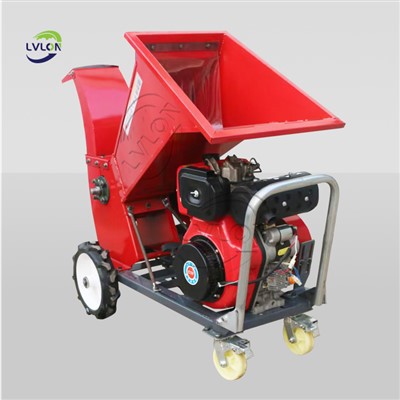
If you are in the market for high – quality safflower oil, whether for cooking, cosmetics, or industrial applications, we would love to hear from you. Our team of experts is ready to discuss your specific requirements and provide you with a customized solution. We believe in building long – term partnerships with our customers based on trust and mutual benefit. Contact us to start a conversation about your procurement needs, and let’s work together to meet your safflower – oil requirements.
References
Rice Shellers Gunstone, F. D., Harwood, J. L., & Padley, F. B. (2007). The Lipid Handbook. CRC Press.
Knothe, G., Dunn, R. O., & Bagby, M. O. (Eds.). (2005). Biodiesel: The Comprehensive Handbook. AOCS Press.
Smith, A. J. (2010). Oilseed Processing: Technology, Procedures, and Equipment. Wiley – Blackwell.
Henan Lvlon Industrial Co., Ltd.
Address: Unit 5, 5th Floor, Building 11, No. 18 Dongfeng Road, Jinshui District, Zhengzhou City, Henan Province.
E-mail: lvlonxu@gmail.com
WebSite: https://www.lvlonmachinery.com/
