Hey there! I’m a supplier of calcium carbonate, and I often get asked about how to properly dispose of this stuff. It’s a question that’s important not just for environmental reasons but also for safety and regulatory compliance. So, let’s dive right into it and explore the various ways calcium carbonate can be disposed of. Calcium Carbonate
Understanding Calcium Carbonate
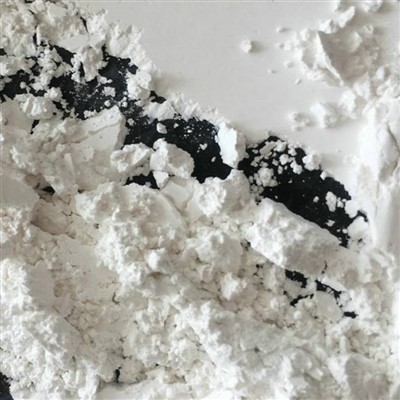
Before we talk about disposal, let’s quickly go over what calcium carbonate is. It’s a common chemical compound found in rocks as limestone, marble, and chalk. It’s also a major component of mollusk shells, snail shells, and eggshells. In the industrial world, calcium carbonate is used in a whole bunch of applications, from making paper and plastics to being a key ingredient in antacids and dietary supplements.
It’s generally considered a safe material, but like any substance, it needs to be handled and disposed of correctly. That’s because improper disposal can have negative impacts on the environment and human health, even though it’s not highly toxic.
Disposal Methods
1. Recycling
One of the best ways to dispose of calcium carbonate is through recycling. If there’s any unused or leftover calcium carbonate in its pure form, it can often be reused in industrial processes. For example, in the paper industry, calcium carbonate is used as a filler. If a paper mill has some excess calcium carbonate, they might be able to recycle it back into their production line.
Recycling not only reduces waste but also saves on the resources needed to produce new calcium carbonate. It’s a win – win situation. Some recycling facilities are specifically set up to handle industrial minerals like calcium carbonate. You just need to find a nearby one and see if they accept it. Make sure to clean and separate the calcium carbonate from any other contaminants before sending it for recycling.
2. Landfill Disposal
If recycling isn’t an option, landfill disposal is sometimes the way to go. However, it’s important to note that calcium carbonate should be disposed of in a lined landfill to prevent it from leaching into the soil and groundwater. When calcium carbonate breaks down in the presence of acid in the environment, it can release carbon dioxide. While carbon dioxide isn’t a toxic gas, excessive amounts can contribute to climate change.
Before sending calcium carbonate to a landfill, check with your local landfill operator. They’ll have guidelines on how to package and label the material. Usually, it should be stored in sealed containers to prevent it from spilling during transportation. Also, make sure to inform the landfill staff about the nature of the material so they can handle it properly.
3. Incineration (in some cases)
In certain industrial settings, incineration might be considered as a disposal method for calcium carbonate – containing waste. But this is a bit more complicated and not always the best option. The high temperatures in an incinerator can cause the calcium carbonate to decompose into calcium oxide (quicklime) and carbon dioxide.
Before even thinking about incineration, you need to make sure that the incinerator is designed to handle this type of material. There are strict environmental regulations regarding incineration, especially when it comes to emissions. You’ll need to ensure that the incineration process is carried out in a way that minimizes the release of pollutants into the air.
4. Reuse in Agriculture
Calcium carbonate can be reused in agriculture. It’s commonly used as a soil conditioner to adjust the soil’s pH level. If you have some calcium carbonate waste, it can be spread on agricultural fields in the right amounts. This helps to neutralize acidic soils, making them more suitable for plant growth.
Before applying calcium carbonate to agricultural land, it’s a good idea to test the soil first. You need to know the current pH level and the nutrient content of the soil. This will help you determine the appropriate amount of calcium carbonate to use. Also, make sure that the calcium carbonate is free from any harmful contaminants that could affect the crops.
Safety Precautions During Disposal
No matter which disposal method you choose, safety should always be your top priority. When handling calcium carbonate, wear appropriate personal protective equipment (PPE), such as gloves and goggles. Inhaling calcium carbonate dust can cause respiratory problems, so it’s important to work in a well – ventilated area.
If you’re transporting calcium carbonate for disposal, make sure the containers are properly secured and labeled. Follow all transportation regulations, including those related to hazardous materials if applicable. And don’t forget to keep records of the disposal process. This can be useful for regulatory compliance and for audits.
Regulatory Considerations
Disposing of calcium carbonate is subject to various regulations, both at the local and national levels. These regulations are in place to protect the environment and human health. Before disposing of calcium carbonate, you need to familiarize yourself with the relevant laws.
Some regions might have specific requirements for the disposal of industrial waste. For example, they might require you to obtain a permit before sending calcium carbonate to a landfill. Others might have strict rules regarding the concentration of certain elements in the waste material. Make sure to stay updated on these regulations to avoid any legal issues.
Conclusion
As a supplier of calcium carbonate, I understand the importance of proper disposal. Whether it’s through recycling, landfill disposal, incineration, or reuse in agriculture, there are several options available. But each option comes with its own set of requirements and considerations.
Safety and environmental protection should always be at the forefront of your disposal decisions. By following the right procedures and regulations, you can ensure that calcium carbonate is disposed of in a way that’s both responsible and sustainable.
Iron Oxide If you’re in the market for high – quality calcium carbonate or have questions about its proper use and disposal, I’d love to chat. Feel free to reach out for more information and to discuss your procurement needs. I’m here to help you find the best solutions for your business.
References
- Kirk – Othmer Encyclopedia of Chemical Technology
- Handbook of Industrial Minerals
- Environmental Protection Agency’s guidelines on waste disposal
Lingshou County LM Mineral Products Co., Ltd.
As one of the most professional calcium carbonate manufacturers and suppliers in China, we’re featured by quality products and good service. Please rest assured to buy customized calcium carbonate made in China here from our factory. Contact us for more details.
Address: Dongzhuang Village, Nanyanchuan Township, Lingshou County, Shijiazhuang City, Hebei Province
E-mail: lmwtwz@163.com
WebSite: https://www.lmwtz.com/
