In the landscape of the food industry, food processing machines have long been lauded for their ability to enhance efficiency, ensure consistency, and increase production volumes. As a dedicated supplier of food processing machines, I’ve witnessed firsthand the transformative power of these technologies in various food businesses. However, it’s essential to approach these machines with a balanced perspective. Just like any other technology, food processing machines come with their set of disadvantages. Understanding these drawbacks is crucial for businesses contemplating the adoption of such equipment, as it allows for more informed decision – making and better long – term planning. Food Processing Machine

High Initial Investment
One of the most significant disadvantages of food processing machines is the high initial cost. These machines are often complex pieces of equipment, integrating advanced technologies, precision engineering, and high – quality materials. For example, a state – of – the – art industrial meat grinder designed for large – scale production can cost upwards of several thousand dollars. Smaller artisanal food businesses, in particular, may find it challenging to justify such a significant expense. Even mid – sized companies may need to allocate a substantial portion of their capital budget to acquire these machines, which can strain their finances and limit their ability to invest in other areas of the business, such as marketing or research and development.
Moreover, the cost of purchasing a food processing machine isn’t just limited to the price tag. There are also additional costs associated with installation, training, and testing. Professional technicians may be required to install the machine correctly to ensure its proper functioning and safety. Training programs for employees to operate the machine also come at a cost, both in terms of time and money. All these factors combined make the upfront investment in food processing machines a significant hurdle for many businesses.
Maintenance and Repair Costs
Once the machine is up and running, the story doesn’t end there. Maintenance and repair costs can also be a considerable burden. Food processing machines operate under harsh conditions, such as high temperatures, high – pressure environments, and exposure to food particles and moisture. Over time, these conditions can cause wear and tear on the machine’s components. Regular maintenance is essential to keep the machine in good working order and prevent breakdowns. This includes tasks such as cleaning, lubricating, and replacing worn – out parts.
The cost of replacement parts can be quite high, especially for specialized components. In addition, hiring professional technicians for maintenance and repair work can add to the overall expense. Unscheduled breakdowns can also lead to significant production losses. For example, if a bakery’s dough mixer breaks down during the peak production period, it can result in lost sales and dissatisfied customers. These losses, combined with the cost of repairs, can quickly add up and have a negative impact on the business’s bottom line.
Limited Flexibility
Food processing machines are often designed for specific tasks or a narrow range of products. For instance, a pasta – making machine is optimized for producing different types of pasta, but it may not be suitable for making other food products such as bread or pastries. This lack of flexibility can be a problem for businesses that want to diversify their product offerings. If a food business decides to expand its product line, it may need to invest in additional machines, which further increases the cost.
Even within their intended product range, some machines may have limitations. A slicing machine may only be able to cut food items of a certain size and shape. This can restrict the creativity of food manufacturers and limit their ability to meet the changing demands of consumers. In today’s fast – paced food market, where consumer preferences are constantly evolving, a lack of flexibility can put a business at a disadvantage.
Quality and Safety Concerns
While food processing machines are designed to improve food quality and safety, they can sometimes introduce new challenges in these areas. For example, improper cleaning of the machines can lead to cross – contamination. If residues of one food product remain on the machine and are then transferred to another product, it can pose a health risk to consumers. Microorganisms such as bacteria and fungi can also grow on the machine’s components if not properly maintained, which can contaminate the food being processed.
In addition, some food processing methods used by machines can have a negative impact on the nutritional value of the food. High – temperature processing, for example, can destroy vitamins and other nutrients in the food. This can be a concern for health – conscious consumers who are looking for nutritious food options.
Furthermore, the mechanical nature of these machines can sometimes cause physical damage to the food. For instance, over – mixing or over – chopping can change the texture and flavor of the food, reducing its quality and appeal.
Job Displacement
The automation brought about by food processing machines can lead to job displacement. As machines become more capable of performing tasks that were previously done by human workers, there is a risk of unemployment in the food industry. For example, in a large – scale fruit – processing plant, a fully automated sorting and packaging machine can replace several workers who were previously responsible for these tasks.
This can have a significant impact on local communities, especially in areas where the food industry is a major employer. Workers who lose their jobs may face difficulties in finding new employment, especially if they lack the skills required for other industries. It can also lead to social and economic problems, such as increased poverty and inequality.
Environmental Impact
Food processing machines also have an environmental impact. These machines consume a significant amount of energy, whether it’s electricity, gas, or other forms of fuel. The large – scale operation of these machines in industrial food processing plants can contribute to high energy consumption and greenhouse gas emissions. In addition, the manufacturing process of these machines also requires the use of raw materials and energy, which can have an environmental footprint.
Disposal of these machines at the end of their life cycle is another concern. Many food processing machines contain complex electronic components and materials that can be difficult to recycle. If not disposed of properly, they can end up in landfills, contributing to environmental pollution.
Conclusion
Despite these disadvantages, it’s important to note that food processing machines also offer many benefits, such as increased efficiency, improved product consistency, and higher production volumes. As a supplier of food processing machines, I believe that the key lies in finding the right balance. Businesses should carefully weigh the pros and cons before investing in these machines. They should consider factors such as their production needs, budget, and long – term goals.
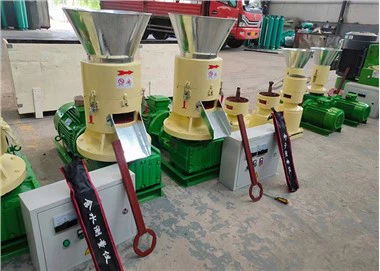
If your business is considering the purchase of food processing machines, I’m here to help. I can provide you with detailed information about our products, including their features, performance, and cost. We can also discuss how to mitigate the potential disadvantages associated with these machines. Whether you’re a small – scale food producer looking to expand your operations or a large – scale industrial manufacturer seeking to improve your efficiency, I’m confident that we can find the right solution for you. Contact us to start a discussion about your food processing needs and explore how our machines can fit into your business strategy.
Food Processing Machine References
- Smith, J. (2018). The Economics of Food Processing Equipment. Journal of Food Industry Economics, 15(2), 34 – 47.
- Brown, A. (2019). Environmental Impacts of Industrial Food Processing Machines. Environmental Science Review, 22(3), 112 – 125.
- Green, C. (2020). Quality and Safety Challenges in Food Processing with Machines. Food Safety Journal, 18(4), 56 – 69.
Zhengzhou Fanda Machinery Co., Ltd.
Zhengzhou Fanda Machinery Co., Ltd. is one of the most professional food processing machine manufacturers and suppliers in China. Feel free to buy cheap food processing machine for sale from our factory and check the price with us.
Address: Zhisi Road, Zhongyuan District, Zhengzhou, Henan, China.
E-mail: vincenthan@fandamachinery.com
WebSite: https://www.fandapelletmill.com/
