Can I use structural nuts in a vacuum environment?
As a supplier of structural nuts, I’ve encountered numerous inquiries regarding the suitability of our products in a vacuum environment. This is a critical question, especially for industries such as aerospace, semiconductor manufacturing, and space research, where the use of mechanical fasteners in a vacuum is a common necessity. In this blog post, I’ll delve into the factors that determine whether structural nuts can be used in a vacuum environment and offer some insights to help you make an informed decision. Structural Nuts
Understanding the Vacuum Environment
Before we discuss the use of structural nuts in a vacuum, it’s essential to understand the characteristics of a vacuum environment. A vacuum is a space devoid of matter, or at least a space where the pressure is significantly lower than atmospheric pressure. In a high – vacuum environment, the pressure can be as low as 10⁻⁶ Pa or even lower.
This low – pressure environment presents several challenges for mechanical components:
Outgassing
Outgassing is the release of gases and vapors from solid materials. In a vacuum, where the surrounding pressure is extremely low, the molecules in a material can escape from its surface more easily. Outgassed materials can contaminate sensitive equipment, such as optical instruments or electronic components. They can also form a thin film on surfaces, which may affect the performance of the device.
Thermal Conductivity
In a vacuum, there is no air to conduct heat through convection. Heat transfer primarily occurs through radiation and conduction. This means that the thermal management of components becomes crucial. If a structural nut is used in a high – temperature application in a vacuum, the lack of convective cooling can cause the nut to overheat, potentially leading to material degradation or failure.
Cold Welding
Cold welding, also known as contact welding, can occur in a vacuum environment. When two clean metal surfaces come into contact in a vacuum, the absence of an oxide layer or other contaminants allows the metal atoms to bond directly with each other. This can cause the structural nut to seize or become difficult to remove, which is a significant problem in applications where disassembly and maintenance are required.
Factors Affecting the Use of Structural Nuts in a Vacuum
Material Selection
The choice of material for structural nuts is of utmost importance when considering their use in a vacuum. Some materials are more prone to outgassing than others. For example, plastics and some elastomers can outgas significantly in a vacuum, releasing volatile organic compounds (VOCs). In contrast, metals such as stainless steel, titanium, and aluminum are generally better suited for vacuum applications due to their low outgassing rates.
Stainless steel is a popular choice for structural nuts in vacuum environments because it has good corrosion resistance, high strength, and relatively low outgassing. Titanium is another excellent option, especially for applications where weight is a concern. It has a high strength – to – weight ratio and is also resistant to corrosion.
Surface Treatment
Surface treatment can play a crucial role in reducing outgassing and preventing cold welding. For example, passivation is a common surface treatment for stainless steel nuts. It involves treating the metal surface with a chemical solution to form a thin, protective oxide layer. This oxide layer can reduce outgassing and prevent the direct contact between metal surfaces, thus minimizing the risk of cold welding.
Another surface treatment option is the application of a low – outgassing coating. There are various types of coatings available, such as PTFE (polytetrafluoroethylene) coatings, which can provide lubrication and reduce friction, as well as prevent cold welding.
Design Considerations
The design of the structural nut can also affect its performance in a vacuum. For example, nuts with a more open design may allow for better outgassing, as the gases can escape more easily from the surface. Additionally, the thread design can impact the ease of assembly and disassembly. A well – designed thread can reduce the risk of jamming or seizing, which is particularly important in a vacuum environment where maintenance and repair may be challenging.
Testing and Certification
To ensure the suitability of structural nuts for vacuum applications, rigorous testing and certification are necessary. Outgassing testing is a common procedure used to measure the amount of gas released from a material in a vacuum. This test typically involves placing the sample in a vacuum chamber and measuring the pressure rise over a certain period of time. Materials with low outgassing rates are considered more suitable for vacuum use.
Some industries also require specific certifications for components used in vacuum environments. For example, the aerospace industry may require nuts to meet certain standards set by organizations such as the National Aeronautics and Space Administration (NASA) or the European Space Agency (ESA). These standards ensure that the components meet the strict requirements for performance, reliability, and safety in space applications.
Conclusion
In conclusion, it is possible to use structural nuts in a vacuum environment, but careful consideration must be given to various factors such as material selection, surface treatment, and design. By choosing the right materials, applying appropriate surface treatments, and designing the nuts with the vacuum environment in mind, the challenges associated with outgassing, thermal management, and cold welding can be effectively addressed.
As a supplier of structural nuts, we are committed to providing high – quality products that meet the requirements of vacuum applications. Our team of experts can help you select the most suitable nuts for your specific needs, taking into account factors such as the vacuum level, temperature range, and mechanical load.
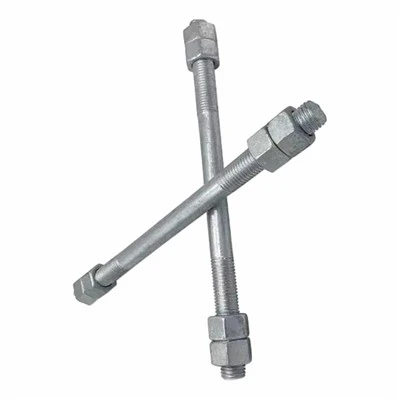
Double End Studs If you are considering using structural nuts in a vacuum environment, we encourage you to get in touch with us. We can provide you with detailed technical information, samples for testing, and support throughout the procurement process. Let’s work together to find the best fastening solutions for your vacuum applications.
References
- "Vacuum Technology: Basics and Applications," by Dr. Ludwig O’Hanlon.
- "Materials for Vacuum Systems," a technical report from the International Vacuum Society.
- "Aerospace Fastener Standards," published by the Aerospace Industries Association.
Handan Jihao Fastener Co., Ltd.
We’re known as one of the most professional structural nuts manufacturers and suppliers in China. With abundant experience, we warmly welcome you to wholesale customized structural nuts made in China here from our factory. If you have any enquiry about cooperation, please feel free to email us.
Address: A2, Row 31, Feiyu Screw World, Hebei Pu, Linmengguan Town, Yongnian District, Handan City, Hebei Province
E-mail: wenzhaona0@gmail.com
WebSite: https://www.chinaboltnut.com/
