Hey there! I’m a supplier of preservatives and biocides, and I’ve been in this industry for quite some time. While these products are super useful, they’re not without their limitations. In this blog post, I’m gonna share some of the key drawbacks of using preservatives and biocides. Preservatives & Biocides
1. Environmental Impact
One major limitation is the environmental impact. Preservatives and biocides are designed to kill or inhibit the growth of microorganisms, but they don’t always stay where they’re supposed to. When they end up in the environment, they can have some pretty negative effects.
For example, some biocides can be toxic to aquatic life. They might get into waterways through industrial wastewater, runoff from agricultural fields, or even household drains. Once in the water, they can harm fish, amphibians, and other aquatic organisms. Some biocides can also bioaccumulate in the food chain, which means they build up in the bodies of animals over time. This can lead to long – term health problems for wildlife and even humans who consume contaminated fish or other seafood.
In addition, the production of preservatives and biocides often involves the use of chemicals and energy. This can contribute to air and water pollution, as well as greenhouse gas emissions. The manufacturing process might release harmful substances into the environment, such as volatile organic compounds (VOCs) and heavy metals.
2. Resistance Development
Another big issue is the development of resistance. Microorganisms are pretty smart little critters. When they’re exposed to preservatives and biocides over and over again, they can adapt and become resistant. This means that the products that used to work well to kill or control them no longer have the same effect.
In the medical field, the overuse of antibiotics (a type of biocide) has led to the emergence of superbugs. These are bacteria that are resistant to multiple antibiotics, making them very difficult to treat. The same thing can happen with other types of preservatives and biocides. For example, in the agricultural industry, pests and pathogens can develop resistance to pesticides and fungicides. This forces farmers to use higher doses of the products or switch to more potent ones, which can further exacerbate the environmental and health problems.
3. Health Concerns
There are also some health concerns associated with the use of preservatives and biocides. Some people may be allergic or sensitive to these products. For instance, formaldehyde – based preservatives, which are commonly used in cosmetics, personal care products, and building materials, have been linked to skin irritation, respiratory problems, and even cancer in some cases.
In the workplace, workers who are exposed to high levels of preservatives and biocides are at risk of developing health problems. For example, those in the manufacturing, agriculture, and cleaning industries may inhale or come into contact with these chemicals on a regular basis. This can lead to acute health effects like eye and throat irritation, as well as long – term effects such as lung damage, neurological disorders, and reproductive issues.
Even in our daily lives, we’re constantly exposed to small amounts of preservatives and biocides in the products we use. While the levels are usually considered safe, there’s still some concern about the cumulative effects of long – term exposure. Some studies have suggested that certain preservatives may disrupt the endocrine system, which can affect hormone balance and lead to a variety of health problems, including developmental and reproductive issues.
4. Regulatory Challenges
The regulatory environment for preservatives and biocides is complex and constantly changing. Different countries and regions have different regulations regarding the use, production, and labeling of these products. This can be a real headache for suppliers like me.
For example, in the European Union, the Biocidal Products Regulation (BPR) sets strict rules for the approval and use of biocides. These regulations aim to ensure the safety of biocidal products for humans, animals, and the environment. However, complying with these regulations can be time – consuming and expensive. We have to conduct extensive testing and provide detailed documentation to prove the safety and efficacy of our products.
In addition, regulatory requirements can change over time. New scientific evidence may emerge that leads to the re – evaluation of certain preservatives and biocides. This can result in products being banned or restricted, which can be a major financial blow to suppliers and manufacturers.
5. Limited Compatibility
Preservatives and biocides don’t always play well with other substances. In some formulations, they may react with other ingredients, which can reduce their effectiveness or even cause unwanted side effects.
For example, in cosmetics and personal care products, some preservatives may interact with antioxidants or emulsifiers. This can lead to changes in the texture, color, or odor of the product, as well as a decrease in its shelf life. In industrial applications, such as paints and coatings, biocides may react with binders or solvents, which can affect the performance and durability of the final product.
6. Cost
Cost is another factor. Developing, producing, and testing high – quality preservatives and biocides can be expensive. This cost is often passed on to the consumers, whether they’re businesses or individuals.
For small – scale manufacturers or consumers on a tight budget, the high cost of preservatives and biocides can be a deterrent. They may look for cheaper alternatives, which may not be as effective or safe. On the other hand, for some industrial applications, the cost of using preservatives and biocides may be a significant part of the overall production cost. This can affect the competitiveness of the products in the market.
7. Public Perception
The public’s perception of preservatives and biocides is also a limitation. In recent years, there has been a growing trend towards "natural" and "chemical – free" products. Many consumers are wary of using products that contain preservatives and biocides, believing them to be harmful.
This has led to a shift in the market demand towards more "green" and "eco – friendly" alternatives. While there are some natural preservatives and biocides available, they may not be as effective as their synthetic counterparts in some cases. This can create a challenge for suppliers like me, as we have to balance the need for product effectiveness with the growing consumer demand for natural products.
In conclusion, while preservatives and biocides are essential for many industries and applications, they do have their limitations. As a supplier, I’m constantly working to address these issues. We’re investing in research and development to come up with more environmentally friendly, safe, and effective products. We’re also working closely with regulatory authorities to ensure that our products meet all the necessary standards.
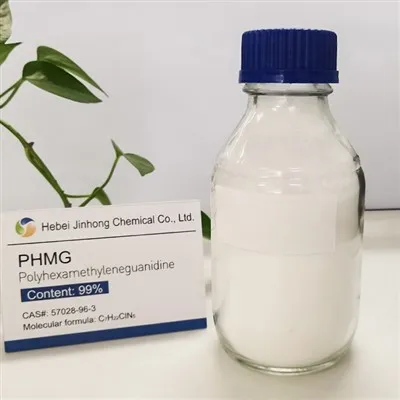
If you’re in the market for preservatives or biocides, I’d love to have a chat with you. We can discuss your specific needs and how we can provide solutions that minimize the limitations while maximizing the benefits. Feel free to reach out to start a conversation about your procurement needs.
Guanidine Biocides References:
- "Environmental and Health Impacts of Biocides" – Journal of Environmental Science and Health
- "Antibiotic Resistance: A Global Crisis" – World Health Organization
- "Consumer Perception of Chemical Preservatives in Food and Cosmetics" – Journal of Consumer Research
Hebei Jinhong Chemical Co., Ltd.
Hebei Jinhong Chemical Co., Ltd. is one of the most professional preservatives & biocides manufacturers and suppliers in China. With abundant experience, we warmly welcome you to wholesale high quality preservatives & biocides made in China here and get pricelist from our factory. For price consultation, contact us.
Address: North of Fazhan Road, East of Qingyuan Road, Nanbao Development Zone, Tangshan City, Hebei Province
E-mail: kevin@hbjhchemical.com
WebSite: https://www.hbjhchemical.com/
