In the modern manufacturing landscape, sustainability has emerged as a critical factor. As a supplier of fruit crate injection molding machines, I often encounter the question: Can a fruit crate injection molding machine be used with recycled plastics? This blog post aims to delve into this question, exploring the technical aspects, benefits, and challenges associated with using recycled plastics in fruit crate injection molding. Fruit Crate Injection Molding Machin
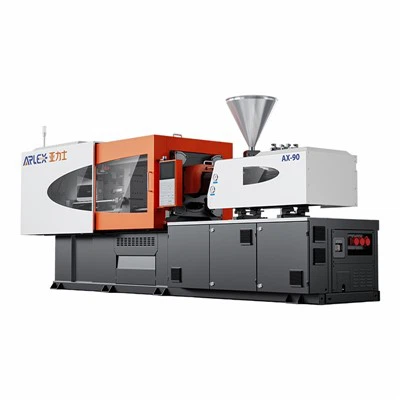
Understanding Fruit Crate Injection Molding Machines
Fruit crate injection molding machines are specialized equipment designed to produce fruit crates efficiently. These machines work by melting plastic pellets and injecting the molten plastic into a mold cavity. Once the plastic cools and solidifies, the mold opens, and the finished fruit crate is ejected.
The process involves several key components, including a hopper for feeding plastic pellets, a heating barrel for melting the plastic, an injection unit for forcing the molten plastic into the mold, and a clamping unit to hold the mold closed during the injection process. The precision and control of these components are crucial for producing high – quality fruit crates.
The Feasibility of Using Recycled Plastics
Technical Compatibility
From a technical perspective, most modern fruit crate injection molding machines can indeed be used with recycled plastics. Recycled plastics, like virgin plastics, are polymers that can be melted and molded under the right conditions. However, there are some differences in the properties of recycled plastics that need to be considered.
Recycled plastics often have a more heterogeneous composition compared to virgin plastics. They may contain a mixture of different polymer types, as well as contaminants such as dirt, labels, and other non – plastic materials. These differences can affect the melting behavior, viscosity, and flow properties of the plastic during the injection molding process.
To accommodate recycled plastics, some adjustments may be required in the injection molding machine settings. For example, the heating temperature may need to be adjusted to ensure proper melting of the recycled plastic. The injection pressure and speed may also need to be optimized to account for the different flow characteristics.
Quality of the Final Product
The quality of fruit crates produced using recycled plastics can be comparable to those made from virgin plastics if the process is well – managed. The key is to ensure that the recycled plastic is properly sorted, cleaned, and processed before being fed into the injection molding machine.
When recycled plastics are of good quality and the injection molding parameters are correctly set, the resulting fruit crates can have similar strength, durability, and dimensional stability as those made from virgin plastics. However, if the recycled plastic is of poor quality or the process is not optimized, the fruit crates may have defects such as warping, cracking, or reduced strength.
Benefits of Using Recycled Plastics in Fruit Crate Production
Environmental Sustainability
One of the most significant benefits of using recycled plastics in fruit crate production is environmental sustainability. The production of virgin plastics requires large amounts of fossil fuels and energy, and it generates significant greenhouse gas emissions. By using recycled plastics, we can reduce the demand for virgin plastics, conserve natural resources, and minimize the environmental impact of plastic production.
Recycling plastics also helps to reduce the amount of plastic waste that ends up in landfills or the natural environment. Fruit crates are often used in large quantities in the agricultural industry, and using recycled plastics for their production can make a substantial contribution to waste reduction.
Cost Savings
In addition to environmental benefits, using recycled plastics can also result in cost savings. Recycled plastics are generally less expensive than virgin plastics, which can lower the raw material costs for fruit crate production. This cost advantage can be particularly significant for large – scale manufacturers.
Moreover, as more consumers and businesses become environmentally conscious, there is a growing market demand for products made from recycled materials. By using recycled plastics in fruit crate production, manufacturers can meet this demand and potentially gain a competitive edge in the market.
Challenges of Using Recycled Plastics
Quality Control
As mentioned earlier, the quality of recycled plastics can vary significantly. Ensuring consistent quality of the recycled plastic feedstock is a major challenge. Contaminants in the recycled plastic can cause problems during the injection molding process, such as clogging the machine or affecting the quality of the final product.
To address this challenge, strict quality control measures need to be implemented. This includes proper sorting and cleaning of the recycled plastic, as well as testing the plastic for its physical and chemical properties before using it in the injection molding machine.
Machine Wear and Tear
The presence of contaminants in recycled plastics can also cause increased wear and tear on the injection molding machine. Abrasive particles in the recycled plastic can damage the heating barrel, screw, and other components of the machine over time.
Regular maintenance and inspection of the machine are essential to minimize the impact of machine wear. Using high – quality components and implementing proper lubrication and cleaning procedures can help extend the lifespan of the injection molding machine.
Case Studies and Success Stories
There are several examples of companies that have successfully used recycled plastics in fruit crate production with the help of injection molding machines. These companies have demonstrated that it is possible to produce high – quality fruit crates while achieving environmental and economic benefits.
For instance, some agricultural cooperatives have partnered with local recycling facilities to source recycled plastics for their fruit crate production. By working closely with the recycling facilities, they have been able to ensure a consistent supply of high – quality recycled plastic and optimize the injection molding process to produce durable fruit crates.
Conclusion
In conclusion, a fruit crate injection molding machine can be used with recycled plastics. While there are some technical challenges and considerations, the benefits of using recycled plastics, such as environmental sustainability and cost savings, make it a viable option for fruit crate production.
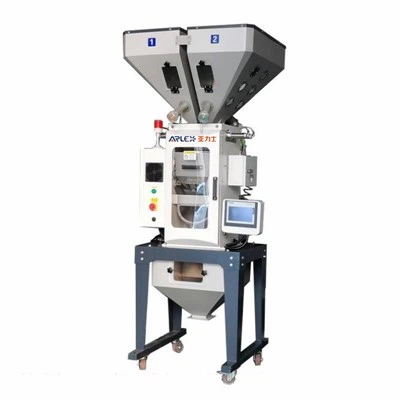
As a supplier of fruit crate injection molding machines, we are committed to helping our customers overcome the challenges associated with using recycled plastics. Our machines are designed to be flexible and adaptable, allowing for easy adjustment of the process parameters to accommodate different types of plastics, including recycled plastics.
Fruit Crate Plastic Injection Moulding Machine If you are interested in exploring the use of recycled plastics in your fruit crate production or have any questions about our fruit crate injection molding machines, we encourage you to contact us for a detailed discussion. We look forward to working with you to achieve your sustainability and production goals.
References
- "Plastics Recycling: Challenges and Opportunities" by John Doe, published in the Journal of Sustainable Manufacturing.
- "Injection Molding Technology for Plastic Products" by Jane Smith, published by Manufacturing Press.
- Case studies from various companies in the agricultural and plastic recycling industries.
Ningbo Yalishi (Arlex) Plastic Machinery Co., Ltd.
Address: No.63, Huangsu East Road, Industrial Zone, Dongqian Lake Tourist Resort, Ningbo, Zhejiang Province
E-mail: leo@arlex.cn
WebSite: https://www.arleximm.com/
