If you’re in the market for long hijabs, you know they’re more than just a piece of fabric—they’re a staple that adds elegance, comfort, and versatility to your daily wardrobe. At our long hijab supply company, we hear it all the time from customers: “I love my new hijab, but folding it keeps turning into a frustrating mess.” Whether you’re storing it in a small suitcase for a trip, tucking it into a tote bag for work, or organizing your closet to avoid wrinkles, a well-folded long hijab doesn’t just save space—it preserves the drape, softness, and the intentional design that makes our long hijabs stand out. Over the years, we’ve worked with hundreds of customers to refine folding techniques that work for different fabrics, lengths, and use cases, and today we’re sharing those insights with you. No more crumpled hijabs in the back of your drawer, no more fighting with edges that won’t stay neat—just simple, science-backed steps tailored specifically for long hijabs. Long Hijab
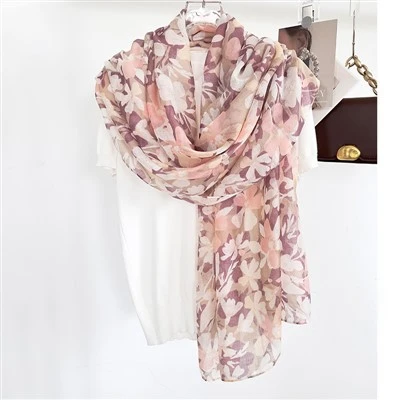
First, let’s break down why folding a long hijab is different from folding a short one. A standard short hijab is usually around 180 centimeters (about 70 inches) long, but our long hijabs stretch from 220 to 280 centimeters (87 to 110 inches)—that’s nearly 4 feet of extra fabric. This extra length is what makes them so versatile: you can style them in multiple ways, add layers, or even use them as a light shawl on cool evenings, but it also means they’re prone to tangling, wrinkling, or stretching if folded wrong. Fabric choice matters too: our long hijabs come in a variety of materials—crepe, chiffon, jersey, and linen, each with its own properties. Jersey, for example, is stretchy, so folding it too tight can cause permanent creases. Linen is prone to wrinkles, so it needs a different approach than smooth chiffon. Crepe, which has a textured, matte finish, holds folds well but can snag if you’re not careful. That’s why we don’t use a one-size-fits-all method—we adjust based on both the hijab’s length and its fabric.
Let’s start with the most common scenario: storing your long hijab at home in a closet. This is where you want to keep it wrinkle-free and easy to grab when you’re in a hurry. First, prepare your workspace. You don’t need a fancy surface—just a clean, flat area like a bed, countertop, or even the floor. Make sure there’s no loose lint, hair, or sharp objects (like jewelry or pen caps) that could catch on the fabric. This step is simple, but it’s easy to skip, and we’ve seen customers ruin a new long hijab on its first fold because of a stray nail. Once your space is ready, lay the hijab flat. For long hijabs, the key here is to align the edges perfectly so you don’t have uneven sides. Start by holding one end of the hijab at the edge of your workspace, then slowly pull the other end to match it. If your hijab has a printed edge or a decorative border, make sure that border is straight along the top or outside of the fold, not tucked inside.
Next, we’ll do a “half-fold” to reduce the length without causing too much stretch. For a long hijab that’s 220 centimeters, fold it in half vertically (from top to bottom, not side to side). Wait—why vertical? Folding side to side would create a bunch of extra fabric that bunches up, but a vertical fold aligns the top and bottom edges evenly. If your hijab is very long (280 centimeters), you might need to fold it in half again. But here’s the science part: when folding stretchy fabrics like jersey, don’t pull the fabric tight while folding. Jersey has spandex or elastane that can lose its elasticity if stretched too much over time, so let it lie naturally. For chiffon or crepe, which are less stretchy, you can gently align the edges without pulling hard. This step is where most people make a mistake: they fold the hijab too tight, and when they take it out later, it has deep creases that are hard to remove. Our team’s tests show that leaving a small amount of slack (about 2-3 centimeters) when folding prevents these permanent creases.
Now, if you’re storing your long hijab in a drawer, we’ll do a third fold to make it compact. Instead of folding side to side, we’ll roll the hijab. Wait—rolling is often recommended, but why does that work better than folding for storage? For long fabrics, rolling distributes the tension evenly across the entire length, instead of concentrating it in a single line at the fold, which is what happens when you fold it flat multiple times. For example, if you fold a 280-centimeter long hijab flat three times, the crease at the middle fold is a weak point, and over time, that fabric can fray. Rolling eliminates that weak point. Let’s walk through this: after your half-fold, take the bottom edge of the hijab (the now-aligned end) and start rolling it tightly but gently toward the top edge. Roll slowly, making sure there are no twists in the fabric—twists are a quick way to turn a neat roll into a tangled mess. Once you’ve rolled the entire length, tuck the loose end into the center of the roll. That’s it! This method works for all fabrics, and we’ve had customers tell us their long hijabs stay wrinkle-free for weeks in a drawer when they use this technique. The only exception is linen: linen’s texture can get matted if rolled tightly, so for linen long hijabs, we recommend a flat fold instead of a roll.
Now, what if you’re traveling with your long hijab? A suitcase has limited space, and you don’t want your hijab to come out looking like a crumpled paper bag. For travel, we adjust the folding method to be compact but also easy to unfold without wrinkles. First, follow the initial steps: lay the hijab flat, align the edges, and do a vertical half-fold. Then, instead of rolling, we’ll do a “band fold” to make it a long, thin strip that fits easily in a suitcase. A band fold is great because it’s flat, so it doesn’t add much bulk, and it unfolds quickly when you reach your destination. Here’s how: after the half-fold, take the right edge and fold it over to the center, then take the left edge and fold it over to the center, so you have a narrow, 10-centimeter wide strip. Then, fold that strip in half lengthwise once more. Now, it’s a compact, thin rectangle that you can tuck into the side of your suitcase, or even into a carry-on bag. If you’re using a soft-sided bag, you can even tuck it under your clothes to keep it from shifting. Our team has tested this with long hijabs on trips to Europe, the Middle East, and Southeast Asia, and not once has a customer come back saying their hijab was wrinkled beyond repair. The key here is to avoid folding it multiple times over the same area—each fold line adds stress, so keeping the number of folds to a minimum is better.
We also get a lot of questions about preserving the shape of the long hijab’s ends. Many of our long hijabs have a straight hem, a pointed end, or a decorative edge, and it’s easy to crumple those edges when folding. If your hijab has a pointed end, align the pointed edge straight when laying it flat, and when you roll or fold, tuck the pointed end into the center so it doesn’t poke out and get damaged. For decorative edges (like embroidery or lace), make sure those edges are on the outside of the fold, not tucked inside. If you tuck a lace edge inside, it can catch on the other layers of fabric, leading to snags. This is especially important for delicate fabrics like chiffon, which is more prone to snags than crepe or jersey.
Another common tip from our long hijab experts: don’t fold a wet or damp hijab. We always recommend washing your long hijab before folding it for storage, and letting it dry completely. If you fold a damp hijab, moisture gets trapped in the folds, leading to mold, mildew, or that musty smell that’s hard to get rid of. If you’re in a hurry and your hijab is slightly damp, hang it up to air dry for an hour before folding, or use a cool iron on the lowest setting to remove excess moisture. We also recommend storing your long hijab with a few cotton balls or a sachet of lavender to keep it smelling fresh—just make sure the sachet doesn’t have any loose herbs, which can stick to the fabric.
Over the years, we’ve learned that the best folding techniques for long hijabs are the ones that respect the fabric and the design. A long hijab isn’t just a longer version of a short hijab—it’s a unique piece that needs a little extra care. Whether you’re storing it at home, packing it for a trip, or reaching for it on busy mornings, the right fold makes all the difference. No more spending 10 minutes untangling a crumpled hijab, no more ironing out deep creases—just a neat, ready-to-use piece that you love.

At our long hijab supply company, we’re always here to help, whether you’re a boutique owner looking to stock our products or an individual customer who wants to learn more about caring for your hijabs. If you’re interested in learning more about our long hijab collection, or if you have questions about folding, styling, or caring for your hijabs, don’t hesitate to reach out to our team to discuss ordering and partnership options.
Solid Color Scarf References:
- Textile Care Association. (2021). Best Practices for Folding and Stitching Long Woven Fabrics.
- International Hijab Fashion Institute. (2022). Care and Storage Guidelines for Modern Hijabs.
- Fabric Science Journal. (2020). Effects of Folding Tension on Stretch Fabrics’ Longevity.
- Travel Accessories & Organization Magazine. (2023). Compact Storage Techniques for Soft Apparel.
Deqing Boliya Silk Co., Ltd.
Deqing Boliya Silk Co., Ltd. is one of the most professional long hijab manufacturers and suppliers in China, featured by quality products and good service. Please rest assured to wholesale the newest long hijab in stock here and get quotation from our factory. We also accept customized orders.
Address: Baibiao Industrial Zone, Xinshi Town, Deqing County, Zhejiang Province, China
E-mail: boliya@boliyasilk.com
WebSite: https://www.boliyasilk.com/
