What is the maximum allowable differential pressure of PPR valves?
As a PPR valves supplier deeply entrenched in the plumbing industry, I’ve encountered numerous inquiries regarding the technical specifications of our products, especially the maximum allowable differential pressure of PPR valves. This parameter is crucial as it directly impacts the performance, safety, and longevity of the valve in various applications. In this blog, I will comprehensively explore what the maximum allowable differential pressure of PPR valves is, why it’s important, and how it influences your choice of valves. PPR Valves

Understanding Differential Pressure
Before delving into the maximum allowable differential pressure of PPR valves, it’s essential to understand what differential pressure means. Differential pressure, often denoted as ΔP, is the difference in pressure between two points in a fluid system. In the context of PPR valves, it refers to the disparity between the upstream pressure (the pressure on the inlet side of the valve) and the downstream pressure (the pressure on the outlet side of the valve).
This pressure difference is a driving force that causes fluids (liquids or gases) to flow through the valve. When a valve is open, the differential pressure is used to overcome the resistance within the valve and the piping system, allowing the fluid to move from an area of high pressure to an area of low pressure. However, excessive differential pressure can lead to problems such as valve damage, leaks, and even system failure.
Maximum Allowable Differential Pressure of PPR Valves
The maximum allowable differential pressure of PPR valves is the highest pressure difference that the valve can withstand without experiencing structural damage, leakage, or a significant decrease in performance. This value is determined by several factors, including the material properties of the PPR, the design and construction of the valve, and the manufacturing standards it adheres to.
PPR, or polypropylene random copolymer, is a thermoplastic material known for its high strength, corrosion resistance, and long – term durability. These properties enable PPR valves to handle a certain amount of differential pressure. Generally, the maximum allowable differential pressure for standard PPR valves ranges from 1.0 to 2.5 MPa (megapascals), but this can vary depending on the specific valve type and size.
For instance, small – diameter PPR ball valves may have a lower maximum allowable differential pressure compared to larger – diameter ones. This is because the smaller valves have less material to withstand the pressure forces, and the internal components may be more prone to damage under high pressure differentials.
Moreover, the design of the valve also plays a significant role. Valves with reinforced structures or better – engineered sealing mechanisms can typically handle higher differential pressures. For example, some high – performance PPR valves feature an enhanced valve body design with thicker walls and a more robust sealing system, allowing them to withstand differential pressures at the upper end of the range.
Importance of Maximum Allowable Differential Pressure
Understanding the maximum allowable differential pressure of PPR valves is of utmost importance for several reasons. Firstly, it ensures the safety of the plumbing system. If the differential pressure exceeds the valve’s maximum allowable limit, it can cause the valve to malfunction. The valve may rupture, leading to leaks or even a sudden release of high – pressure fluid, which can pose a serious risk to people and property.
Secondly, respecting the maximum allowable differential pressure helps maintain the long – term performance of the valve. Excessive pressure can cause wear and tear on the valve’s internal components, such as the seals and the valve disc. Over time, this can result in reduced flow control accuracy, increased leakage, and a shorter lifespan for the valve.
In addition, adhering to the maximum allowable differential pressure is essential for compliance with industry standards and regulations. Many building codes and plumbing standards specify the requirements for valve performance, including the maximum allowable differential pressure. Using valves that do not meet these requirements can lead to legal issues and difficulties during inspections.
Factors Affecting the Selection of PPR Valves Based on Differential Pressure
When selecting PPR valves for a specific application, the maximum allowable differential pressure is a critical factor to consider. Here are some key points to keep in mind:
- System Pressure Requirements: Analyze the expected pressure differentials in the plumbing system. If the system operates under high – pressure conditions, such as in industrial applications or high – rise buildings, it’s necessary to choose PPR valves with a higher maximum allowable differential pressure.
- Flow Rate: The flow rate of the fluid also affects the differential pressure. Higher flow rates generally result in higher pressure drops across the valve, so a valve with a suitable maximum allowable differential pressure should be selected to ensure proper flow control.
- Valve Type: Different types of PPR valves have different performance characteristics in terms of differential pressure. For example, PPR ball valves are known for their ability to handle high – pressure differentials and are often used in applications where quick shut – off and reliable sealing are required. On the other hand, PPR gate valves may be more suitable for applications with lower differential pressures and where a full – bore flow is needed.
- Temperature: The temperature of the fluid can also impact the valve’s performance under pressure. PPR valves have a certain temperature range within which they can operate effectively. Higher temperatures can reduce the material’s strength and may require a more conservative approach when selecting the valve based on differential pressure.
How Our PPR Valves Meet the Requirements
As a PPR valves supplier, we are committed to providing high – quality products that meet or exceed the industry standards in terms of maximum allowable differential pressure. Our valves are manufactured using the latest technology and high – grade PPR materials.
We conduct rigorous testing on all our valves to ensure that they can withstand the specified differential pressures. Our manufacturing process includes multiple quality control checks, from raw material inspection to the final product testing. This ensures that each valve leaving our factory is of the highest quality and can perform reliably in different applications.
We also offer a wide range of PPR valves with different maximum allowable differential pressures to meet the diverse needs of our customers. Whether you are working on a small residential plumbing project or a large – scale industrial installation, we have the right valve for you.
Contact Us for Your PPR Valve Needs
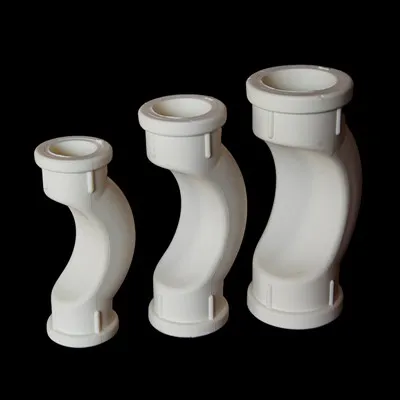
If you are in the process of selecting PPR valves for your project and need more information about the maximum allowable differential pressure, or if you have any other questions regarding our products, please do not hesitate to contact us. Our team of experts is always ready to assist you in making the right choice. We can provide detailed technical specifications, product samples, and professional advice to help you ensure the success of your project.
Plastic Pipe In conclusion, understanding the maximum allowable differential pressure of PPR valves is essential for the proper selection and use of these valves in plumbing systems. By choosing high – quality valves that can handle the expected pressure differentials, you can ensure the safety, performance, and longevity of your system.
References
- "Plumbing Engineering Handbook"
- "Thermoplastic Piping Systems: Design and Installation"
- Industry standards for PPR valves (such as ISO standards related to PPR products)
Hebei Ruijie Pipe Industry Co., Ltd.
Address: Industrial Park, Shaozhuang Township, Suning County, Cangzhou City, Hebei Province
E-mail: 1987870474@qq.com
WebSite: https://www.rjpprpipe.com/
